
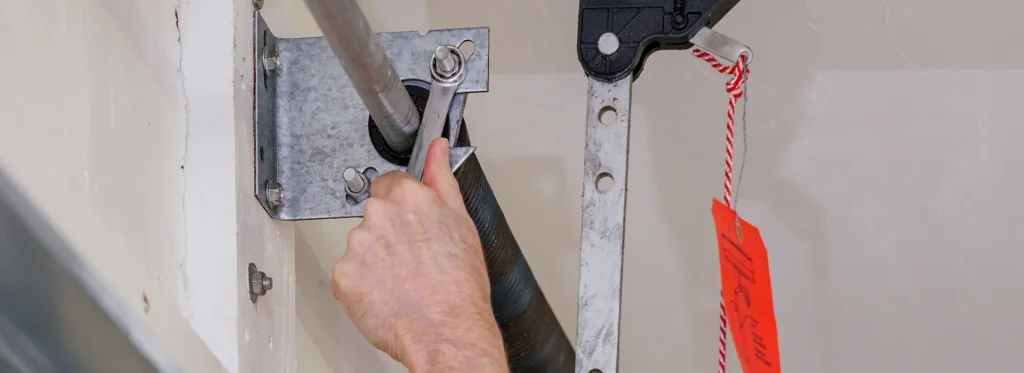
If you just heard a loud bang from your garage and now your door will not open, there is a good chance a spring has broken. The short answer to whether you can keep using it is no. Operating a garage door with a broken spring is unsafe for you, your family, and the door itself. A broken spring changes how the entire system functions, and continuing to use the door can lead to injury, property damage, or a complete system failure. This guide explains what garage door springs do, why a broken one is dangerous, how to recognize the signs, and what steps Marshall homeowners should take when garage door spring repair becomes necessary.
What Garage Door Springs Actually Do
Most homeowners assume the garage door opener is what lifts the door. The opener actually plays a smaller role than people realize. The real heavy lifting comes from the springs.
Garage doors are heavy. A standard double door can weigh anywhere from 150 to over 400 pounds depending on the material and insulation. Springs are designed to counterbalance that weight, making the door feel light enough for the opener to raise and lower with ease.
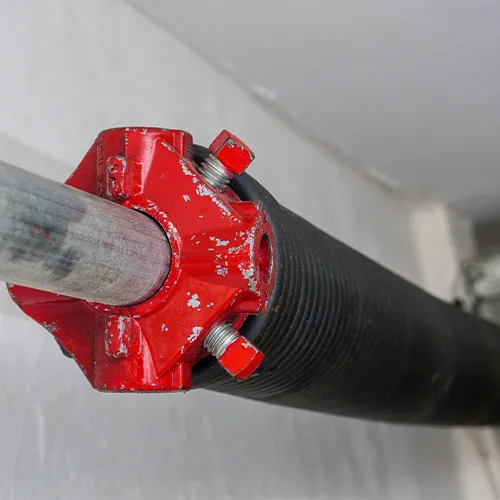
There are two common types of springs. Torsion springs sit horizontally above the door and twist to create lifting force. Extension springs run along the tracks on either side and stretch to provide tension. Both types store and release energy every time the door operates.
When a spring breaks, that stored energy is gone. The full weight of the door now falls on the opener, the cables, and any remaining hardware. None of those parts were designed to carry that load on their own, which is exactly why a broken spring creates such a serious problem.
Springs also have a limited life cycle, often rated by the manufacturer for a set number of open and close cycles. Once that limit is reached, the spring becomes far more likely to fail, even if the rest of the door appears to be in good shape. Understanding that lifespan helps homeowners plan ahead and recognize that a broken spring is usually a sign of normal wear rather than misuse, making timely replacement a routine part of garage door ownership.
Why Operating a Broken Spring Door Is Dangerous
A garage door with a broken spring is unpredictable, and that unpredictability is what makes it dangerous.
Without the counterbalance of a working spring, the door can drop suddenly and forcefully. If anyone is standing underneath, the result can be serious injury. Children, pets, and vehicles parked in the path of the door are all at risk.
Forcing the opener to lift a door with a broken spring puts enormous strain on the motor and gears. Many openers burn out completely within minutes of trying to handle that kind of weight. Cables can also snap under the added pressure, and snapped cables move with enough speed to cause real harm.
There is also the door itself to consider. Panels can bend, tracks can warp, and rollers can pop out of alignment. What started as a simple spring repair can quickly turn into a much larger system failure if the door keeps operating.
A broken garage door spring does not just stop the door from working. It turns the entire system into a safety hazard until the spring is replaced.
Common Signs of a Broken Garage Door Spring
Sometimes spring breaks loudly, and there is no question something has gone wrong. Other times the signs are more subtle, and homeowners only notice once the door starts behaving strangely.
The most obvious sign is a loud bang from inside the garage, often described as sounding like a gunshot or firecracker. That noise is the spring snapping under tension.
After a break, the door usually feels much heavier than normal. If you try to lift it manually, you may find that you can barely move it at all. The opener may strain, hum, or stop partway through the cycle, unable to handle the full weight on its own.
Looking up at the spring itself can also confirm the issue. A torsion spring with a visible two-inch gap in the middle is a clear sign of a break. An extension spring may appear stretched out, disconnected, or hanging loose along the track.
Some doors also begin opening crooked, with one side rising faster than the other. That uneven motion is a sign that the spring system is no longer balanced, and continued use will only make things worse.
What to Do When a Garage Door Spring Breaks
The moment you suspect a broken spring, the safest move is to stop using the door. Do not try to force it open with the opener, and do not attempt to lift it manually past a few inches off the ground.
If the door is closed, leave it closed and use another entrance until a technician can inspect it. If the door is stuck partway open, keep children, pets, and vehicles clear of the area. A door in that position can fall without warning.
If you are comfortable doing so, disconnect the opener using the manual release cord. This prevents anyone from accidentally hitting the wall button or remote and forcing the door to move. Pulling the release cord while the door is open should only be done with caution, since the door may drop quickly once disengaged.
From there, the next step is calling a professional. Garage door spring repair involves high tension components and specialized tools, and it is not a project Marshall homeowners should take on themselves. A trained technician can replace the spring safely and check the rest of the system for any damage caused by the break.
Why Professional Garage Door Spring Repair Matters
Garage door springs hold a tremendous amount of stored energy, even after they break. Improper handling during a repair can release that energy suddenly, causing serious injury.
Professional technicians use winding bars, properly rated replacement springs, and safety procedures developed through years of hands-on training. They also know how to measure the correct spring size for your specific door, since using the wrong spring leads to repeat failures and added wear on the rest of the system.
At Lonecrest Garage Doors, every spring repair starts with a full inspection of the door system. Springs rarely fail in isolation. Worn cables, stretched bearings, or aging rollers often play a role in the breakdown, and replacing a spring without addressing those issues only sets up another repair down the road.
For homeowners who choose a complete rebuild, Lonecrest backs the work with a 10-year rebuild warranty covering rollers, cables, drums, bearings, and springs. That kind of long-term coverage is part of what it means to do the job the right way the first time.
Frequently Asked Questions
How long can I leave a broken garage door spring before fixing it?
A broken spring should be repaired as soon as possible. Leaving the door unused for a short time is fine, but operating it in any way creates safety risks and often leads to additional damage. Most homeowners benefit from scheduling repair within a day or two of the break.
Can I replace just one spring or do both need to be replaced?
If your door uses two springs and one has broken, the second spring is usually close to failing as well. Both springs typically wear at the same rate, so replacing both at once prevents another breakdown shortly after the first repair and keeps the system properly balanced.
How much does garage door spring repair usually involve?
A standard spring repair includes removing the broken spring, installing a properly sized replacement, balancing the door, and inspecting related components like cables and bearings. The exact scope depends on the condition of the rest of the system, which is why a full inspection matters.
Will my garage door opener work with a broken spring?
The opener may try to lift the door, but it should not be used. Forcing the opener to carry the full weight of the door can burn out the motor, strip the gears, and cause cables to snap. Once a spring breaks, the door should stay closed until a technician arrives.
Schedule Garage Door Spring Repair With Lonecrest Garage Doors
A broken garage door spring is not something to put off, and it is not something to handle alone. The safest path forward is working with a team that takes the time to inspect the full system, recommend the right repair, and stand behind the work for the long haul.
Lonecrest Garage Doors proudly serves homeowners in Marshall and nearby areas with veteran-owned, IDA-certified service built on transparency and craftsmanship. Every spring repair is backed by years of hands-on experience and the same standard that guides everything we do.
Reach out to Lonecrest Garage Doors today to schedule your spring repair and get back to a garage door you can trust.