
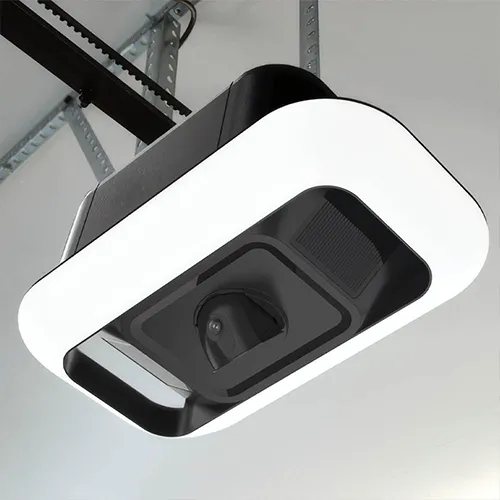
A garage door that will not close properly can quickly become a frustrating problem for homeowners. Garage doors are used multiple times each day, and when the system stops responding as expected, it can disrupt daily routines and create concerns about security. In many cases, the issue is related to the opener system, which controls the movement of the door during operation.
Garage door opener repair is often necessary when the door refuses to close completely, reverses unexpectedly, or does not respond to commands. While some issues may seem minor at first, they can develop into more serious problems if left unaddressed. Understanding the common causes behind this issue can help homeowners identify what is happening and determine when professional repair may be needed.
This guide explains how garage door openers control closing, what causes these problems, and how to restore proper function to your garage door system.
How Garage Door Openers Control Closing
Garage door openers are designed to control both the opening and closing of the garage door through a motorized system. When activated by a remote control or wall switch, the opener sends power to the motor, which moves the door along a track system. This process allows the door to open and close smoothly without requiring manual effort.
One of the most important features of a garage door opener is its safety system. Modern openers are equipped with sensors located near the bottom of the door. These sensors detect objects in the path of the door and prevent it from closing if something is in the way. This feature is designed to protect people, pets, and property from injury or damage.
If the system detects an issue during the closing process, it may stop the door or reverse its direction. While this safety feature is important, it can also cause confusion when the door refuses to close even when there is no visible obstruction. Understanding how these components work together helps explain why garage door opener repair is sometimes required.
Common Causes of Garage Door Closing Problems
There are several reasons why a garage door may not close properly, and many of them are connected to the opener system. One of the most common causes is misaligned safety sensors. When the sensors are not properly aligned, they cannot communicate effectively, and the system may prevent the door from closing.
Another common issue is a blocked sensor path. Dirt, debris, or objects placed near the sensors can interrupt the signal and trigger the safety mechanism. Even something as simple as dust buildup can interfere with proper function.
Electrical issues can also prevent the garage door from closing. Faulty wiring, a malfunctioning control board, or inconsistent power supply can disrupt the communication between the opener and the door. In some cases, the remote control or wall switch may also be the source of the problem.
Improper opener settings may also affect closing performance. Travel limits and force settings determine how far the door moves and how much resistance the opener can handle. If these settings are not properly adjusted, the door may stop before reaching the ground or reverse unexpectedly.
Identifying the cause of the issue is an important step in determining the right solution for garage door opener repair.
How Sensor Problems Prevent the Door from Closing
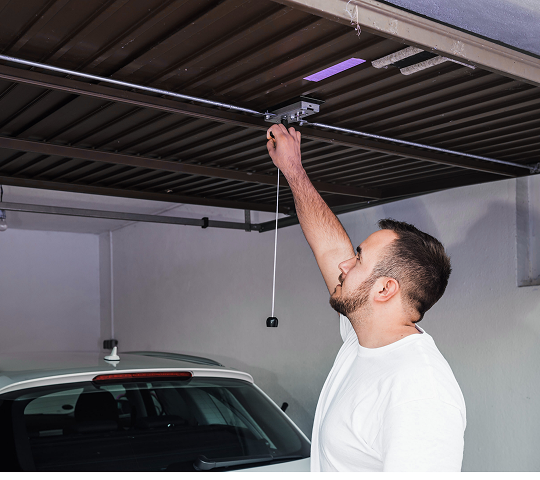
Safety sensors are one of the most common reasons a garage door will not close. These sensors are positioned on both sides of the garage door near the floor and work by sending an invisible beam between them. When the beam is uninterrupted, the system allows the door to close. If anything blocks or interferes with this signal, the opener will stop the door from closing as a safety precaution.
If the sensors become misaligned, the beam is broken, and the opener will not allow the door to close. This can happen due to accidental bumps, loose mounting brackets, or natural shifting over time. Even a slight misalignment can prevent the sensors from communicating properly, causing the door to stop or reverse during operation. In some cases, the garage door may begin to close but immediately reverse once the system detects a problem.
Dirt and debris can also affect sensor performance. Dust, cobwebs, leaves, or small objects can block or weaken the sensor’s signal and trigger the safety mechanism. Because the sensors are located close to the ground, they are more likely to collect dirt and debris over time. Cleaning the sensor lenses and checking for any obstructions can sometimes restore proper function without further repair.
Lighting conditions and environmental factors may also play a role in sensor issues. Direct sunlight or reflections can occasionally interfere with the sensor beam, especially if the sensors are already slightly out of alignment. In these situations, small adjustments to the sensor position can help restore proper communication between the units.
In other cases, wiring problems or damaged sensors may be the cause. Loose connections, worn wiring, or faulty sensor units can prevent the system from detecting the beam correctly. When sensors are not functioning as they should, professional garage door opener repair may be needed to restore proper operation and ensure the safety system works as intended.
Opener Settings That May Be Causing the Problem
Garage door openers rely on specific settings to control how the door operates. These settings include travel limits, which determine how far the door moves, and force settings, which control how much resistance the opener can handle during operation.
If the travel limit is set incorrectly, the opener may think the door has reached the ground before it actually has. This can cause the door to stop short or reverse before fully closing. Adjusting this setting helps ensure the door completes its full range of motion.
Force settings can also affect closing behavior. If the opener detects too much resistance, it may reverse the door to prevent damage. While this is an important safety feature, incorrect settings can cause the door to reverse even when there is no obstruction.
Mechanical issues within the opener can also contribute to closing problems. Worn gears, motor strain, or internal component wear can affect how the opener performs. These issues typically require professional inspection and repair to restore proper function.
When Professional Garage Door Opener Repair Is Needed
While some minor issues can be addressed through basic troubleshooting, there are situations where professional garage door opener repair is necessary. If the door repeatedly refuses to close, reverses without explanation, or stops responding altogether, it may indicate a more serious problem within the system. These issues can affect both the safety and functionality of the garage door, making it important to address them promptly.
Electrical issues, damaged sensors, and internal opener problems often require specialized tools and expertise to diagnose and repair. In some cases, the problem may involve wiring faults, worn internal components, or misconfigured settings that are not easily identified without proper inspection. Attempting to fix these issues without the right knowledge can lead to further damage or increase the risk of injury.
Professional technicians can inspect the entire system, identify the root cause of the problem, and perform the necessary repairs to restore proper operation. Companies like Lonecrest Garage Doors provide garage door opener repair services designed to address these issues while ensuring the system operates safely and efficiently. Their experience allows them to make precise adjustments and replace components when needed to improve overall performance.
Timely repair helps prevent further damage and ensures the garage door continues to function as expected. Addressing these problems early can also extend the lifespan of the opener system and help avoid more costly repairs in the future.
How to Prevent Garage Door Opener Problems
Preventative maintenance is one of the best ways to avoid garage door opener issues. Regular inspections can help identify small problems before they become more serious. Homeowners should pay attention to how the door operates and take note of any unusual behavior.
Keeping the sensors clean and free of debris is an important part of maintaining proper function. Ensuring that the sensors remain aligned also helps prevent unnecessary interruptions during operation.
Lubricating moving parts such as rollers and hinges can reduce strain on the opener system. When the door moves smoothly, the opener does not have to work as hard, which helps extend its lifespan.
Scheduling occasional professional maintenance can also help keep the system in good condition. Technicians can inspect the opener, adjust settings, and identify worn components before they lead to larger problems.