
Garage doors are one of the most frequently used parts of many homes. They open and close multiple times a day as homeowners leave for work, return home, or access storage areas. Because of this constant use, it is not uncommon for garage doors to develop problems over time. One of the most common issues homeowners notice is when the garage door becomes noisy or begins to get stuck during operation. These problems may seem minor at first, but they often signal that the system needs attention.
Understanding the early signs of a malfunctioning door can help homeowners address problems before they become more serious. A noisy or stuck garage door can indicate worn components, lack of maintenance, or mechanical issues within the system. Learning the basics of garage door repair can help homeowners identify potential causes and determine when professional service may be necessary.
This guide explains why garage doors become noisy or stuck, how garage door systems operate, and what homeowners can do to maintain reliable operation. By understanding these factors, homeowners can better protect their garage door system and prevent costly repairs in the future.
Common Causes of Noisy or Stuck Garage Doors
Garage doors rely on multiple mechanical components working together to function properly. When one of these components begins to wear out or becomes misaligned, the entire system can be affected. One of the most common reasons homeowners seek garage door repair is excessive noise during operation.
Over time, rollers that guide the door along the tracks can wear down. When rollers become worn or damaged, they may produce grinding or squeaking sounds as the door moves. In some cases, lack of lubrication can also cause moving parts such as hinges and rollers to create friction, leading to noticeable noise.
Loose hardware can also contribute to noisy garage door operation. The vibration created by repeated use may gradually loosen bolts, brackets, and other fasteners within the system. When these components are not securely tightened, they can produce rattling sounds during movement.
A garage door that becomes stuck or moves unevenly may indicate a more serious mechanical issue. Misaligned tracks can prevent the rollers from moving smoothly, causing the door to hesitate or stop midway. Worn springs or cables may also affect the door’s balance, making it difficult for the system to lift the door properly.
Addressing these issues early can help prevent additional damage to the system and restore smooth operation.
Understanding How a Garage Door System Operates
To better understand why garage door repair may be necessary, it helps to know how the system functions. A typical garage door system consists of several components designed to support the weight of the door while allowing it to move safely along the tracks.
The door itself is made up of panels connected by hinges, allowing the door to bend as it travels along the tracks. Rollers attached to these panels guide the door’s movement along the vertical and horizontal tracks inside the garage. Springs play a critical role by balancing the heavy weight of the door, allowing it to open and close with minimal effort.
Cables assist the springs by helping lift and lower the door smoothly. The garage door opener, which is typically mounted to the ceiling, controls the door’s movement using a motorized system. When the opener is activated, it pulls the door upward along the tracks and lowers it when closing.
Because these components work together as a single system, even a small problem with one part can affect the entire operation of the door. This is why timely garage door repair is important when unusual noises or movement problems begin to appear.
Warning Signs Your Garage Door Needs Repair
Homeowners can often identify early signs that their garage door system needs attention. Recognizing these warning signs can help prevent more serious mechanical problems.
One of the most noticeable signs is excessive noise during operation. While garage doors naturally produce some sound as they move, loud grinding, squeaking, or banging noises can indicate that components within the system are worn or improperly adjusted.
Another common warning sign is when the door moves unevenly. If the door appears crooked as it opens or closes, it may indicate an issue with the tracks, rollers, or cables. A door that becomes stuck halfway during operation may also suggest that something is interfering with the system’s balance.
Homeowners may also notice that the garage door opens more slowly than usual or requires extra effort from the opener. In some cases, the door may not respond to the opener at all. These symptoms can signal mechanical problems that require professional garage door repair.
By paying attention to these early warning signs, homeowners can address problems before they escalate into more costly repairs.
Basic Maintenance That May Reduce Garage Door Noise
Routine maintenance can help prevent many common garage door problems. Regular inspections and minor adjustments can improve the performance of the system and reduce unnecessary wear on its components.
One of the simplest maintenance steps homeowners can take is lubricating the moving parts of the system. Rollers, hinges, and springs can develop friction over time, especially if they have not been lubricated regularly. Applying a garage door lubricant helps reduce noise and allows the door to move more smoothly.
Inspecting the hardware of the system can also be beneficial. Tightening loose bolts and brackets helps prevent rattling sounds and ensures that the door operates securely. Homeowners should also check the tracks for debris or obstructions that could interfere with the movement of the rollers.
Maintaining proper balance is another important aspect of garage door maintenance. A door that is out of balance places additional strain on the opener and other components. If the door feels unusually heavy or difficult to lift, professional garage door repair may be needed to correct the issue.
While basic maintenance can resolve minor problems, more complex mechanical issues should be handled by trained technicians.
When Professional Garage Door Repair Is Necessary
Although homeowners can perform basic maintenance, certain garage door problems require professional expertise. Garage door systems contain components that operate under significant tension, particularly the springs that support the weight of the door.
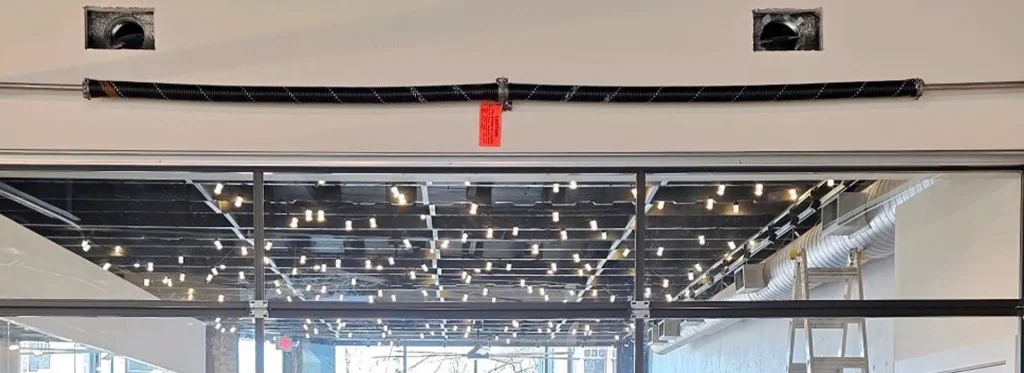
Broken or worn springs are one of the most common reasons homeowners require garage door repair. Because springs store a large amount of energy, attempting to repair or replace them without proper tools and training can be dangerous.
Damaged cables are another issue that typically requires professional attention. Cables work alongside springs to control the movement of the door. If a cable becomes frayed or breaks, the door may become unbalanced or difficult to operate.
Misaligned tracks can also prevent the door from moving properly. Correcting track alignment requires specialized tools and precise adjustments to ensure the door operates safely.
Professional technicians have the training and experience necessary to diagnose these issues accurately. They can identify the cause of the problem and complete the necessary repairs while ensuring the system remains safe and properly balanced.
Benefits of Professional Garage Door Repair
Hiring a professional for garage door repair offers several advantages for homeowners. Experienced technicians understand the mechanical design of garage door systems and can identify issues that may not be immediately visible.
Professional repair services help ensure that the system is adjusted correctly and that all components function together properly. Technicians also have access to specialized tools and replacement parts needed to complete repairs efficiently.
Another benefit of professional service is safety. Because garage doors contain heavy components and high-tension springs, professional technicians follow proper safety procedures when handling repairs. This helps reduce the risk of injury and ensures the system remains reliable.
In many cases, professional repairs can also extend the lifespan of the garage door system. Addressing issues early prevents additional strain on other components, helping homeowners avoid more extensive repairs in the future.
Preventing Future Garage Door Problems
Preventative maintenance is one of the best ways to keep a garage door operating smoothly. Scheduling periodic inspections can help identify worn parts before they cause major issues.
Keeping moving components lubricated reduces friction and helps maintain quiet operation. Homeowners should also pay attention to how the door moves during daily use. If the door begins to make unusual noises or moves unevenly, it may be time to schedule a professional inspection.
Regular maintenance helps ensure that the system remains properly balanced and aligned. Professional tune-ups can also improve the overall performance of the door and help prevent unexpected breakdowns.
Keeping Your Garage Door Operating Smoothly
A noisy or stuck garage door is often a sign that the system requires attention. By understanding how garage doors operate and recognizing early warning signs, homeowners can take steps to maintain the reliability of their system.
Garage door repair plays an important role in preserving the safety and performance of the entire system. Addressing problems early helps prevent additional damage and keeps the door operating smoothly.
When issues persist or involve critical components such as springs or cables, working with experienced professionals can help ensure the repairs are completed safely and effectively. Proper maintenance and timely garage door repair allow homeowners to enjoy dependable garage door operation for many years to come.